
Fee simple tulajdonjog definíció és típusai a szabadholdú ingatlanok kontextusában
A cikk a fee simple jogi fogalmát dolgozza fel, és bemutatja a szabadholdú ingatlanok két fő kategóriáját: a fee simple abszolút és a fee simple defeasible típust. Emellett érintjük a kanadai és msgyen jogi kereteket, valamint a piaci gyakorlatban felmerülő értékelési kérdéseket és kockázatokat is.
Fee simple tulajdonjog definíciója
In real estate, a fee simple estate is a form of freehold ownership. It grants a property owner exclusive rights on a property, which means that they own the land and property completely and without any limitations or conditions, aside from taxation, debt obligations and zoning or building restrictions. Fee simple is often referred to as freehold ownership, as it is the highest form of property ownership as it has the fewest restrictions.
Két fő típusa
There are a few different types of fee simple ownership. They fall into two broad categories of freehold estate: fee simple absolute and fee simple defeasible. Fee simple absolute is more powerful than fee simple defeasible because it’s outright ownership with no restrictions, except those imposed by zoning and easement laws. Under absolute ownership, owners can own their properties and land forever, as long as they make their mortgage payments and pay their property taxes.
Let’s say you have fee simple absolute ownership of your home, with no zoning law or easement restrictions. So, you tear down your home and rebuild a restaurant where it stood.
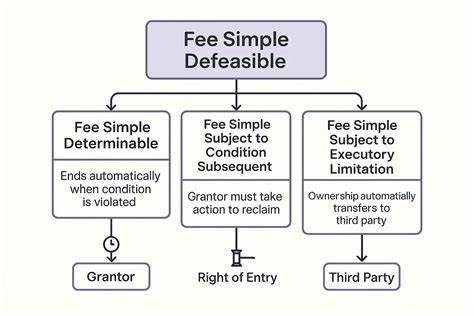
Fee simple defeasible, also called “fee simple determinable,” offers slightly fewer rights to a property. While you can still own the property and land forever, you must meet certain conditions put in place by previous property owners to keep possession of the land. For example, say you buy land and a home from an owner who stipulates that you can own the property if the house remains a residential property.
Fee simple subject to condition subsequent is similar to fee simple defeasible. Owners must meet certain conditions to retain ownership of their properties or land. But if they violate these conditions, they might not lose their land. That’s because the original owners don’t automatically retake possession. For example, let’s say you buy land and a home with the condition that you leave the house as a residence. If you turn that home into a hotel, the former owner could retake possession of the property.
Általános jellemzők és hatály a jogi keretben
In real estate, a fee simple estate is a form of freehold ownership. It grants a property owner exclusive rights on a property, which means that they own the land and property completely and without any limitations or conditions, aside from taxation, debt obligations and zoning or building restrictions. Fee simple is often referred to as freehold ownership, as it is the highest form of property ownership as it has the fewest restrictions.
There are three types of legal property ownership in Canada: freehold (aka: fee simple), cooperative and strata (also known as a condominium). Similar to condominiums, cooperatives (aka: co-ops) allow owners to share the ownership of a property. If a buyer were to purchase a detached home, they would own a fee simple interest in that detached home. This same buyer could opt to change the external siding of the home or alter the deck (or any other aspect), as long as they were compliant of municipal zoning and bylaws. If a buyer were to buy a condo-townhome, the condo board would …
Értékelés és jogi összefüggések
In September 2017, the Appraisal Institute (US) held a Property Rights Symposium to consider issues relating to the valuation of fee simple estates. The impetus for the Discussion Paper is the perception that the requirements for valuing the fee simple interest have become muddled. For example, what does the notion of ‘unencumbered’ mean in the context of valuing the fee simple interest? Does fee simple mean vacant and available for lease or occupancy? If so, should deductions be taken for lease-up and cost?
One might have thought that, in ‘market value’ jurisdictions in Canada, such questions as posed in the Discussion Paper are largely settled. The Assessment Act defines ‘current value’ as “… the amount of money the fee simple, if unencumbered, would realize if sold at arm’s length by a willing seller to a willing buyer.” Section 19(1) requires assessment based on current value. v. Municipal Property Assessment Corp. ...
Standard Life Assurance Co. v. Capital Assessor, Area No. 01, 1997 CarswellBC 1020 (B.C.C.A.) [Standard Life] is the leading case in British Columbia affirming that assessment is based upon the assumption of market rents for leases in place as at the date of valuation. v. But the law does not remain stagnant and there are new twists on old questions from time to time.
Net-net és kapcsolódó befektetési megközelítések
A net-net stratégia lényege röviden, hogy a kis piaci kapitalizációjú társaságok között olyan részvényeket keresünk, melyek aktuális árazása mélyen a könyv szerinti érték, illetve a likvidációs érték alatt van. A kiválasztott társaság NCAV (Net Current Asset Value) értéke adja a kiindulópontot, amelyet leosztva a kibocsátott részvények számával (shares outstanding) kapunk egy részvényenkénti értéket.
Graham szerint akkor tekinthető olcsónak a társaság, ha a fenti ár a fenti kétharmados szintnél kedvezőbb áron érhető el. A net-net stratégia azonban nem a belső érték (book value) alatt, hanem a likvidációs érték alatt keres kereskedelmi lehetőségeket, így a befektető olyan társaságokat figurál be, amelyek felszámolását követően is visszajuthat a befektető a pénzéhez.
A stratégia időt és kockázatkezelést igényel: bikapiacon ritkán találhatók megfelelő célpontok, míg recessziókban több lehetőség adódhat. A részvényvásárlásnál fontos a cég üzleti modellje, a cashflow (például Free Cash Flow, FCF), az adósság alacsonysága, a bennfentesek viselkedése és a számviteli gyakorlatok átláthatósága. Emellett a P/B mutató, a Debt/Equity arány és a market cap is szűrőként szolgálhatnak a micro cap kategóriába tartozó célpontok azonosításához.
A net-net megközelítés számos kockázatot hordoz: a vállalatok gyakran már problémákkal küzdenek, és a likvidációs érték a hosszabb idő alatt csökkenhet. A stratégia esetében a döntés sokszor a vállalati vezetés és a végrehajtás minőségén múlik, ezért kockázatos és nem feltétlenül alkalmas kezdő befektetők számára.
Gyakorlati példák és összefüggések
Ha egy vállalatot a likvidációs érték alatti áron találunk, és a vállalat hosszú távon fizetőképességének megőrzése érdekében nincs állandó rossz finanszírozási helyzet, a befektető akkor is számolnia kell az esetleges hitelezői követelések és a készletek értékesítésének nehézségeivel. A pittoreszk példák elmondása mellett a gyakorlatban sok esetben a vállalatok kötelezettségei meghaladják a rendelkezésre álló eszközök értékét, így a befektető csak alapos elemzés után dönthet a tranzakról.
Egyes esetekben a net-net stratégia hosszú távú előnyöket is hozhat, ha az adott piac recessziós időszakában találhatók megfelelő célpontok, és a vállalatok stabilan kezelik adósságaikat, miközben működőképes üzleti modellekkel rendelkeznek. A sokszor említett cigaretta-csikk (cigar-butt) stratégia is ezt a logikát tükrözi: kis méretű összegek mellett működött jól, de nagyobb tőke mellett már nem volt gyakorlati megvalósítható.
Infografikák és vizuális segédletek
Kapcsolódó irodalom és meghatározások
Ez a cikk a megadott szövegrészletek alapján foglalja össze a fee simple fogalmi vázát és a kapcsolódó jogi, gazdasági megfontolásokat. A definíciók és példák többsége a klasszikus ingatlanjogi és értékelési gyakorlatokra támaszkodik, a terminológia pedig a szakmai szövegekben és értékelési kiadványokban széles körben használt kifejezéseket veszi át.
tags: #fee #simple #tulajdonjog